Skip to content

National Grid


National Grid Biodiversity Programs Bridge
Vegetation Management and Sustainability
Goals While Engaging Local and Regional
Stakeholders in Conservation of Habitat


For more than 70 years, National Grid has been
championing solutions, programs, and research that
support biodiversity throughout our territory. These
efforts help strengthen ecosystems, protect
pollinators, and support wildlife across our
interconnected landscape. We invite you to learn more
about our collective work, its results, and its benefits
for generations to come..

Add a short subtitle or supporting text here.
Reach Out to Learn More
What We’re Doing


Land managers are faced with increasingly important issues in our ecosystems, including climate change, variable weather systems, invasive plant species, and biodiversity. As land stewards, we must do our utmost to address these challenges and implement solutions that encourage vibrant ecosystems.
 
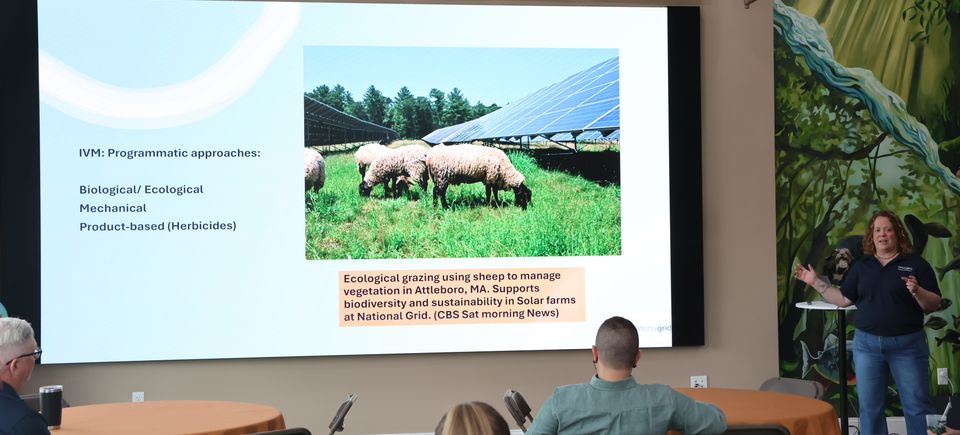
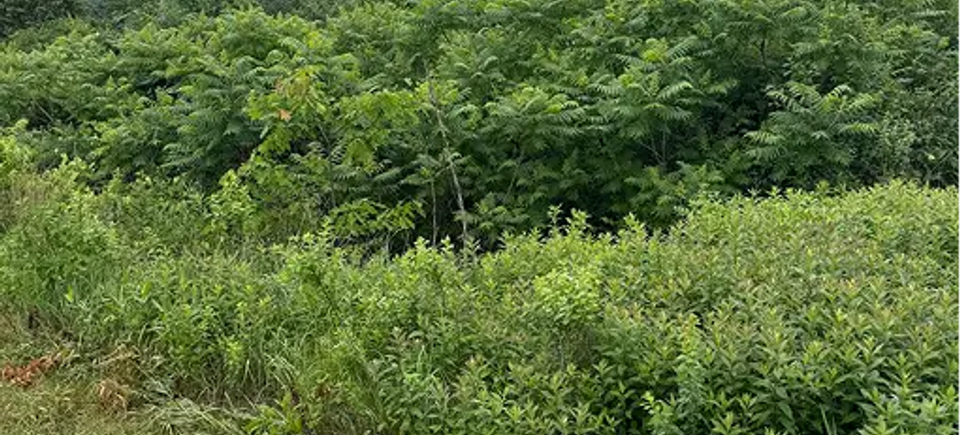
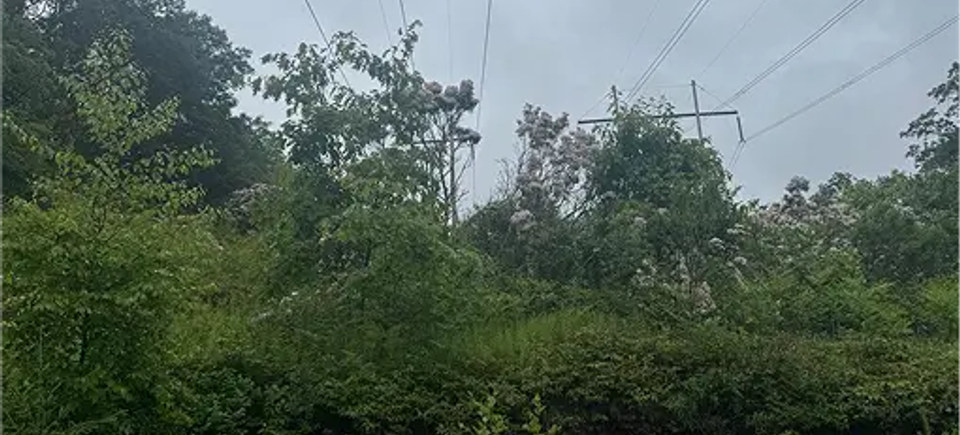
At National Grid, our transmission corridors are large, interconnected green spaces teeming with native plant communities, pollinators, and wildlife. Since the 1950s, we have been utilizing integrated vegetation management (IVM) practices to enhance ROW plant and wildlife biodiversity. However, this has never been more important than today with pollinators in decline and invasive species continuing to threaten native vegetation.
 

Biodiversity and Habitat Metrics


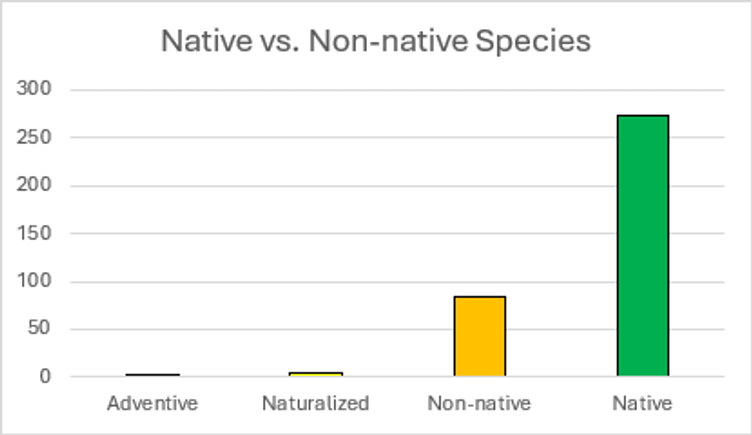
Biodiversity and habitat metrics are key in understanding success and identifying challenges. By working on biological audits and better understanding ecological capital and where gains can be made during mainstream programs, we can streamline processes, reduce input and achieve sustainable goals.
Untitled design 9

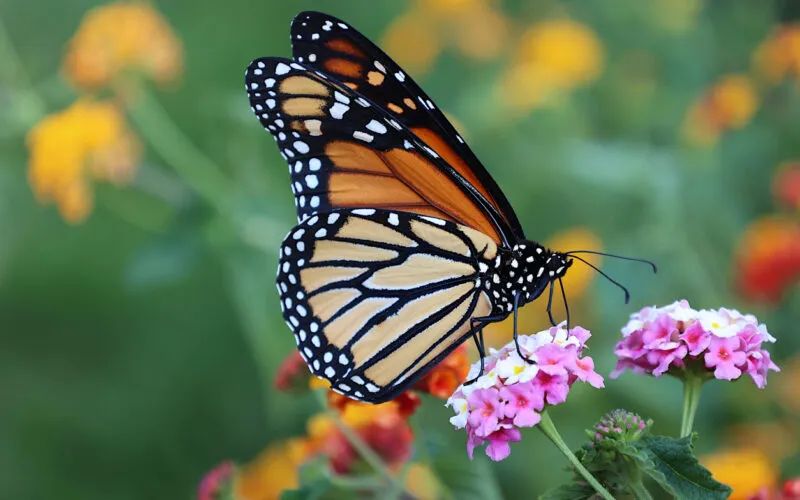
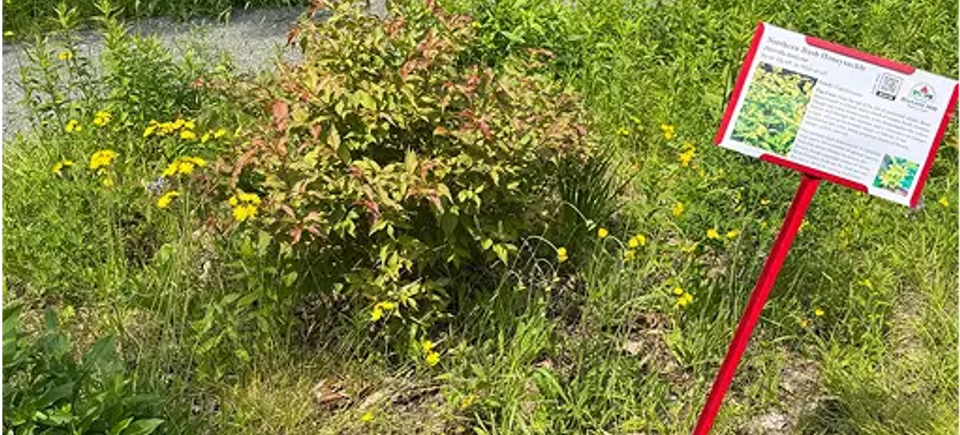
Pollinators

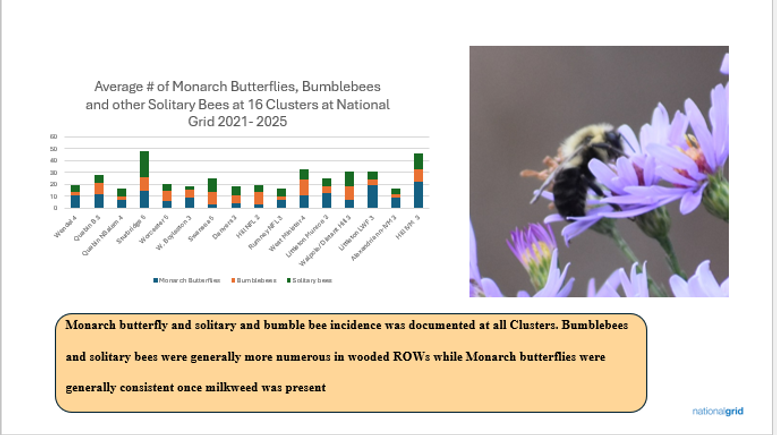
These initiatives engage area conservation commissions, non-profit environmental agencies, national and regional stakeholders and local entities such as Distant Hill Gardens in Walpole NH, Adirondack Farm, MA, Native plant nurseries etc. as ROW corridors are maintained
 
Untitled design 11

Fauna Surveys

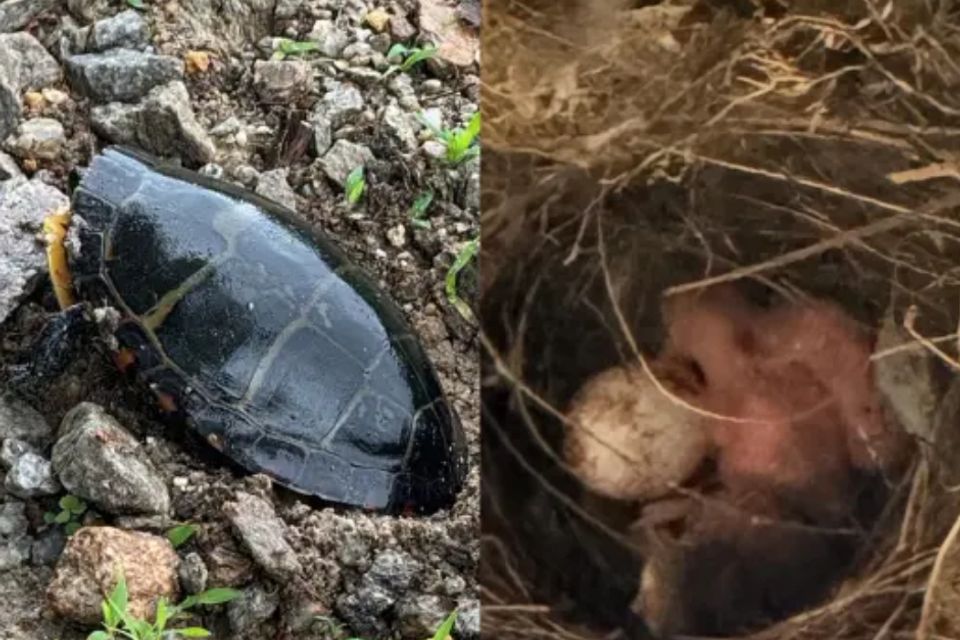
Birds and other organisms, forage and breed in corridors in National Grid’s corridors and avian nesting surveys and foraging observations reveal a wealth of bird life that utilize corridors and benefit from the early successional mixes that occur below wires. Our surveys are conducted in spring and summer and data on migration and localized use indicate that ROW’s are important ‘sponge’ areas that many avian species benefit from for foraging, roosting and nesting.
 

Research Findings to Date

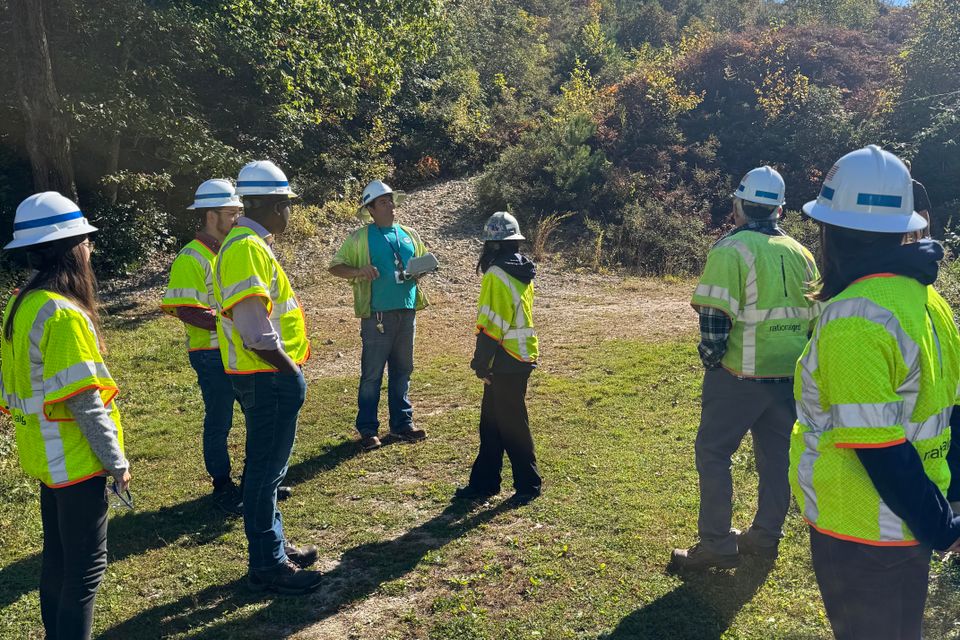
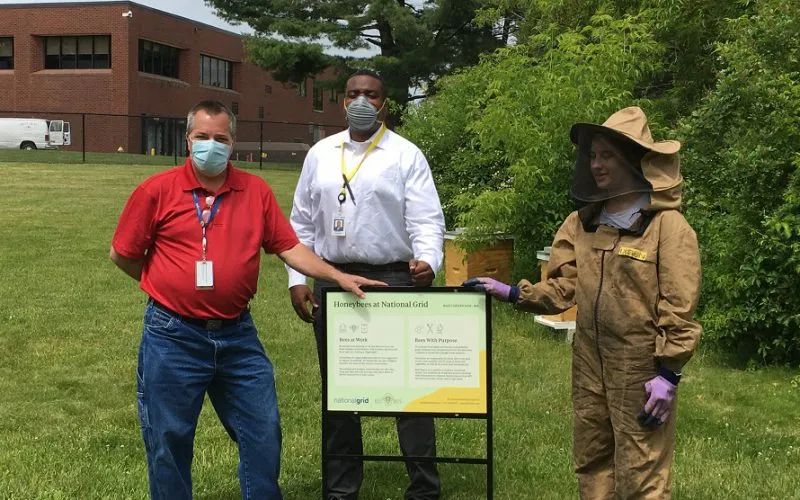
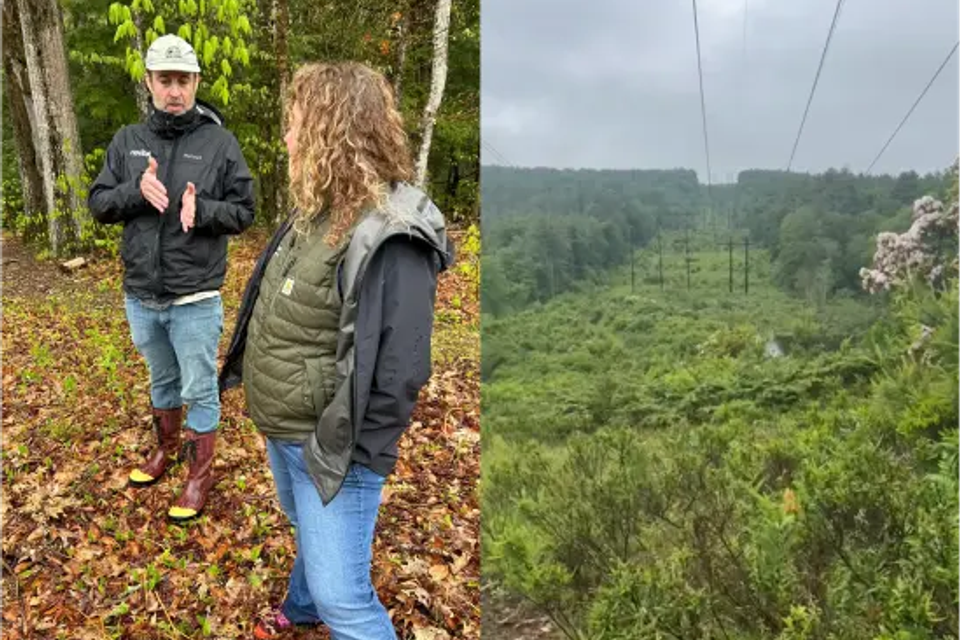
Group looking at vegitation

Sustainable Vegetation
Management Programs

Sustainable vegetation management programs start with knowing what is existing and what is to be achieved. The ‘how to get there’ comes with innovative solutions that can not only provide management but be dynamic to additionally incorporate proactive elements aiding in a more sustainable outcome.
 

Our Goals

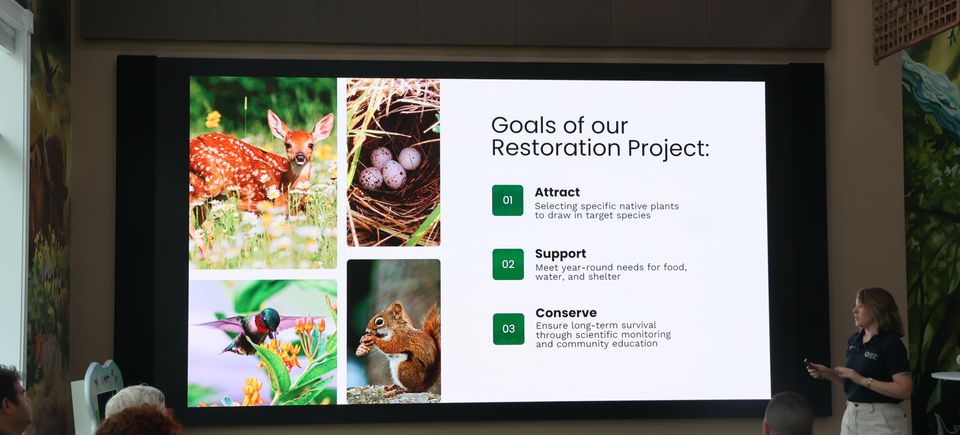
  • Reducing the use of herbicide on our ROWs
  • Reducing mowing frequency to support plant growth
  • Using the latest technology for herbicide planning
  • Creating more sustainable ground cover
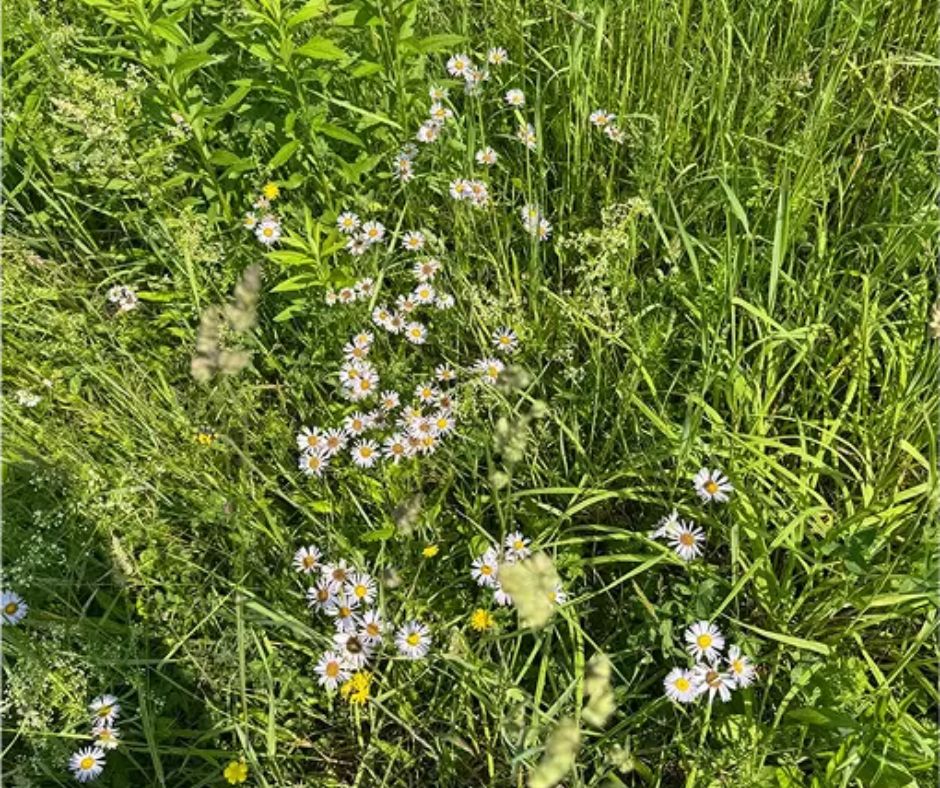
  • Increasing bloom variety for nectar and pollen availability
  • Providing food, shelter, and protection for insects and wildlife
  • Reducing work needed on ROWs to lessen our carbon footprint

Habitat Analytics: Scientific Approach to Better Understanding Our Land

The health of our ROWs will rely on our commitment to utilizing the most current technologies and information available. Our sites play an important role in enhancing plant biodiversity and ensuring that pollinators and wildlife have a place to call home. The science behind our programs will continue to evolve, and we are already benefiting from the data as it enables us to proactively plan and take measures obtained from on-site assessments.

Native Plants, Species Guides & Ecological Resources

The rights-of-way (ROWs) across National Grid territory are home to numerous plant species with diverse characteristics, habitat needs, and ecological functions. These plant species guides help identify native flora and promote stewardship of beautiful species that thrive in our landscapes.

 
White ash 800x800 1
White Ash
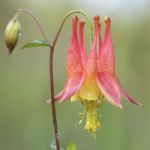
Wild columbine 800x800 1
Wild Columbine
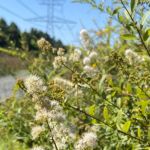
Meadowsweet spirea 800x800 1
Meadowsweet
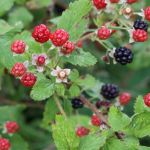
Alleghaby blackberry 800x800 1

Alleghany Blackberry


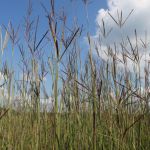
Big bluestem 800x800 1

Big Bluestern

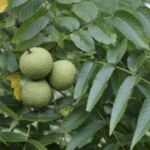
Black walnut 800x800 1
Black Walnut
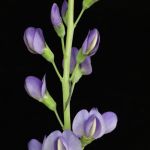
Blue false indigo 800x800 1
Blue False Indigo
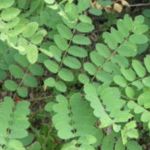
Black locust 800x800 1
Black Locust
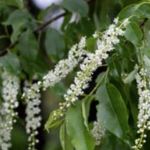
Back cherry. 800x800 1

Black Cherry


Big bluestem 800x800 1

Big Bluestern

Plant species guide — butterfly weed 800x800 1
Butterfly Weed
Plant species guide — common cattail 800x800 1
Common Cattail
Common milkweed 800x800 1
Common Milkweed
Plant species guide — green ash 800x800 1

Green Ash


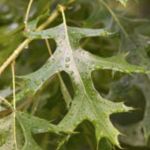
Plant species guide — pin oak 800x800 1

Pin Oak

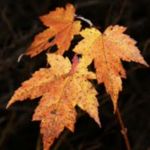
Plant species guide — red maple 800x800 1
Red Maple
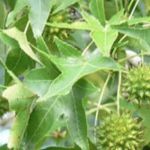
Sweetgum 800x800 1
Sweetgum

____________

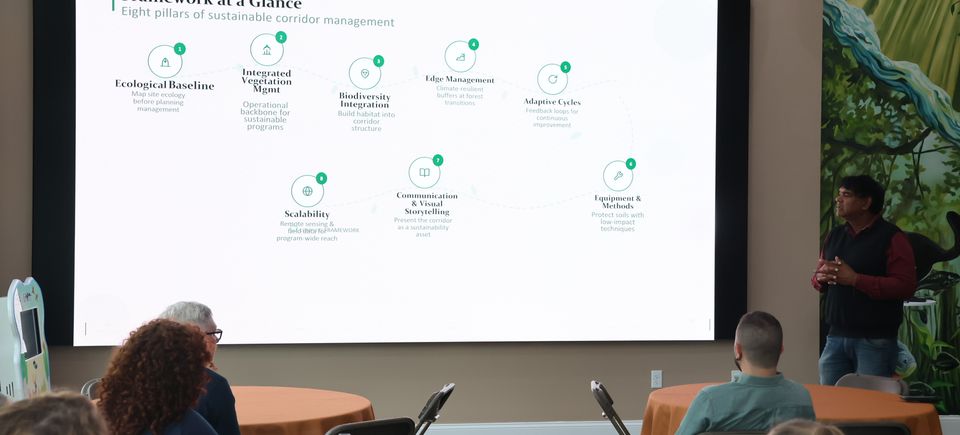
Engagement and Outreach

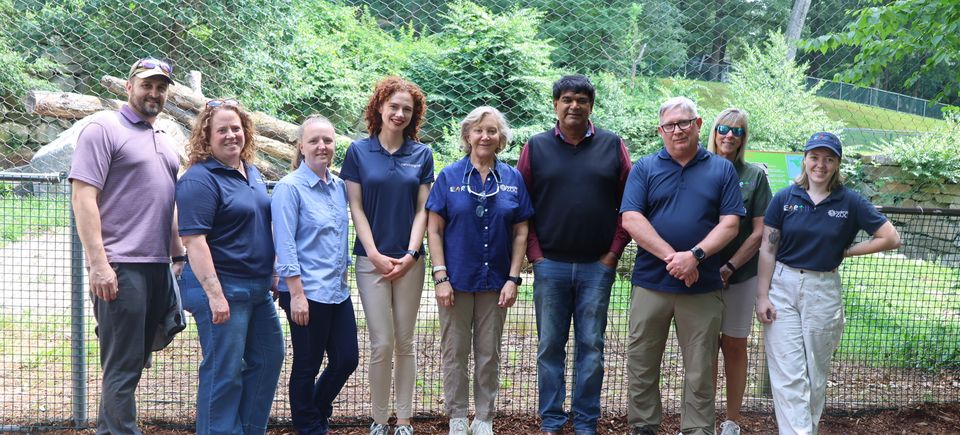
Native Plant Initiatives and rodeo events invite area universities, local non-profits and others to visit a real world
ROW site and witness and be able to contribute to pollinator conservation and habitat quality assessments.

 
S3 img 1

The National Grid Native Plant Green Laboratory (NPGL) Network

Engages area conservation commissions, non-profit environmental agencies, national and regional stakeholders and local entities such as Distant Hill Gardens in Walpole NH, Adirondack Farm, MA, Native plant nurseries etc. as ROW corridors are maintained


For More Information on Our Biodiversity work, Contact Us at:

Screenshot 2026 07 10 at 20 13 03 national grid   welcome
Screenshot 2026 07 10 at 20 17 27 national grid   welcome